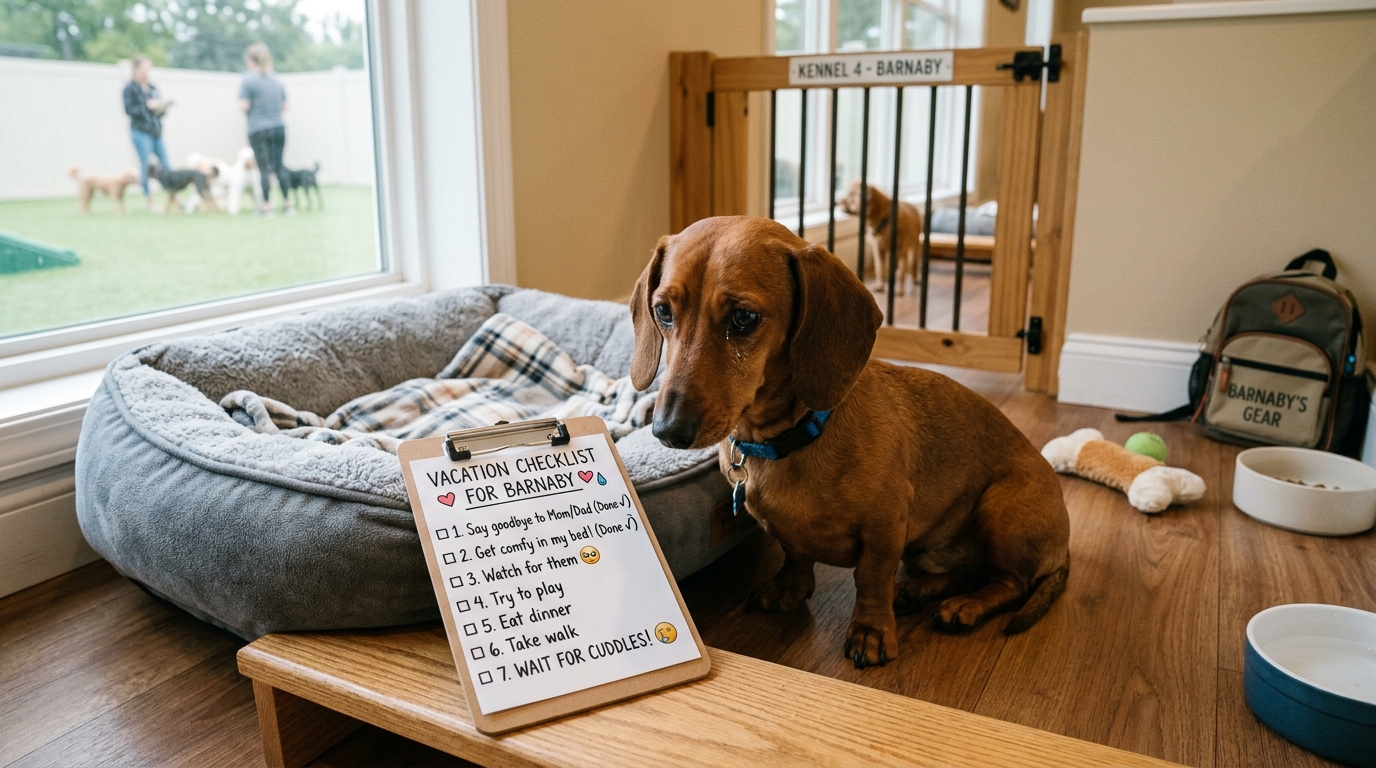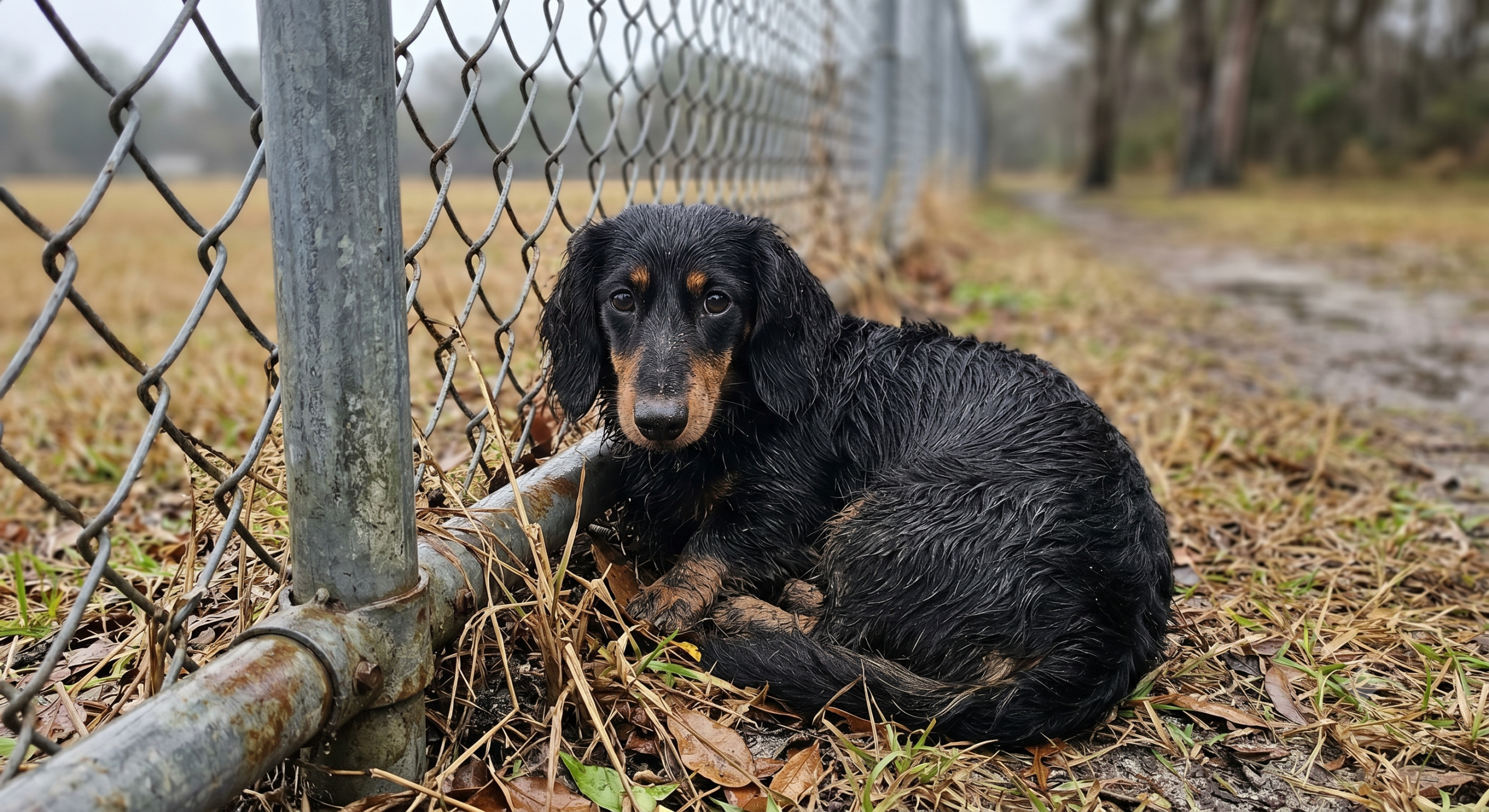

Watching my pet pace nervously when I grabbed my keys was heartbreaking. I soon learned that separation anxiety is common among many owners of these lively dogs.
If you’re feeling overwhelmed, know you’re not alone. I’ve been through it too. I’ll share how I helped my stressed pup become calm and happy.
Dealing with wiener dogs needs patience and a solid plan. Understanding their distress helps us build a stronger bond and a peaceful home.
This guide is your roadmap to success. We’ll explore practical steps to make your pet feel secure when you’re away.
Key Takeaways
- Recognize the early signs of distress in your pet.
- Create a safe and comforting space for your companion.
- Implement consistent routines to reduce daily stress.
- Use positive reinforcement to build confidence.
- Consult with professionals if symptoms persist or worsen.
Understanding the Unique Emotional Needs of Wiener Dogs
To truly support your pet, you must first understand their complex emotional landscape. Providing excellent dachshund care is more than physical maintenance. It’s about diving deep into their psychological makeup. Observing my own dog, I see how their history shapes their emotional needs.

The Dachshund Personality and Attachment Style
The dachshund personality is a mix of courage, stubbornness, and loyalty. Originally bred to hunt badgers, they worked independently but stayed in touch with handlers. This history has made them crave human connection.
They are incredibly devoted, seeing their owners as the center of their world. This attachment style can make them follow you everywhere. It’s important for their dog mental health.
Why Wiener Dogs Are Prone to Separation Anxiety
Many wiener dogs struggle when left alone. This is because they are pack animals, not meant to be alone. When separated from their family, they feel real distress.
Their intelligence also plays a part in their dog mental health issues. Without enough to do, they can turn to anxiety and obsessive behaviors. Knowing these triggers helps us train them with empathy.
| Trait | Behavioral Impact | Emotional Need |
|---|---|---|
| High Loyalty | Follows owner constantly | Consistent reassurance |
| Hunting History | Alert and observant | Mental stimulation |
| Pack Instinct | Dislikes isolation | Social interaction |
| Stubbornness | Tests boundaries | Structured guidance |
By understanding these traits, you can tailor your dachshund care better. Creating a secure environment makes them feel safe, even when you’re not there. Embracing their unique dachshund personality is key to a happy, well-adjusted pet.
Identifying the Signs of Separation Anxiety in Your Dachshund
Knowing the signs of an anxious dog is crucial for any owner. It’s important to tell if your pet’s behavior is due to separation anxiety or just boredom. By watching your pet closely, you can understand their feelings better.

Common Behavioral Indicators
Many pets show certain behaviors when left alone. Barking, howling, or whining are common signs of distress. Destructive behavior, like chewing furniture, is another sign of panic.
These actions are not mean-spirited. They are desperate attempts to deal with the stress of being alone. Spotting these signs early helps your pet feel safer.
Physical Symptoms to Watch For
There are also physical signs that show how your dog feels. Excessive panting, pacing, or drooling when you leave are signs of stress. These dog separation anxiety symptoms are involuntary reactions to stress.
Some dogs may stop eating their favorite treats when you’re away. This loss of appetite shows their emotional distress is greater than their hunger. Watching these physical changes helps you understand your dachshund’s personality and needs.
Distinguishing Between Boredom and Anxiety
It’s important to tell the difference between boredom and anxiety. A bored dog might chew on a shoe due to lack of activity. But an anxious dog will target exit points, like windows or doors, in a frantic attempt to reach you.
If your pet’s pet behavior changes only when you’re away, it’s likely due to separation anxiety. Boredom doesn’t depend on your presence, but anxiety does. Knowing this helps you tailor your approach to support your wiener dogs.
Preparing Your Home Environment for Solo Time
My journey to a calm dog started with changing my home’s feel when I’m away. I learned that changing the environment helps fight separation stress. These changes gave my pet a sense of safety, making alone time easier.
Creating a Safe and Comfortable Den
I used crate training to make a cozy den for my dog. I added soft blankets and familiar smells to make it welcoming. This crate became a safe space for my dog.
At first, I focused on making the crate a cozy spot, not a cage. Good dachshund care means your pet sees their den as a personal retreat. This helped lower my dog’s anxiety when I left.
Using White Noise and Calming Sounds
External noises can stress pets. I used white noise machines or soft music to block out street sounds. This kept my dog calm all day.
Consistent sounds create a calm atmosphere, hiding sudden noises. These tools helped reduce my pet’s stress. They’re key to my dachshund care plan.
| Environmental Tool | Primary Benefit | Ease of Use |
|---|---|---|
| Crate Sanctuary | Provides physical security | High |
| White Noise Machine | Masks external triggers | Very High |
| Calming Music | Reduces heart rate | Very High |
| Comfort Blankets | Offers familiar scent | High |
These changes through crate training and sound management made my home supportive. Watch how your pet responds to these changes. Consistency is key to keeping them safe and secure when you’re away.
Establishing a Consistent Daily Routine
Having a set routine gives your dachshund the emotional security they need. It makes them feel in control. This is key for any puppy routine or adult dog schedule.
The Importance of Predictability
Uncertainty can make dogs anxious. By setting regular times for meals, walks, and play, you remove the uncertainty. This predictability makes your dog feel safe, even when you’re not there.
Creating reliable habits is crucial dog training tips. When your dog knows what to expect, they feel less anxious. Consistency builds emotional stability and confidence.
Structuring Departures and Arrivals
Managing stress starts with calm departures and arrivals. I avoid long, emotional goodbyes. Instead, I move calmly to show leaving is normal.
Using positive reinforcement during these times helps a lot. I give my dog a treat or praise for staying calm. This makes leaving a positive experience for them.
| Action | Goal | Impact |
|---|---|---|
| Calm Departure | Reduce anticipation | Lower stress levels |
| Consistent Schedule | Build security | Increased confidence |
| Neutral Arrival | Minimize excitement | Emotional balance |
By sticking to this routine, you support your dog’s independence. Remember, patience is key as they adjust. With time and effort, your dachshund will relax more when you’re away.
Implementing Gradual Desensitization Techniques
I found that gradual desensitization is the best way to help my dog feel better when I’m away. This method teaches your pet that being alone is safe and temporary. Using these dog training tips, you can make your pet feel safer when you’re not there.
Step One: Short Absences
Start with very short absences, so brief your dog doesn’t even notice you’re gone. I began by stepping out the door and coming back in five seconds. This helps avoid dog separation anxiety symptoms before they start.
I used positive reinforcement by giving a small treat when I returned. If you’re crate training, now is the time to reward your dog for staying calm. The goal is to keep the experience calm and stress-free.
Step Two: Increasing Duration Over Time
When my dog stayed calm during those brief moments, I started to spend more time outside. I increased the time by a few minutes each day to ensure he felt completely comfortable. Being consistent is key when working through these exercises.
If I saw any signs of stress, I went back to a shorter time. Using positive reinforcement helped my dog see my leaving as a calm, rewarding experience. Patience is crucial during this time of behavioral change.
Handling Triggers Like Keys and Coats
Many dogs get anxious when they hear keys or see you put on a coat. These items are predictable triggers that signal you’re leaving. I desensitized my dog by picking up my keys and sitting back down on the couch.
By doing this without leaving, the sound of keys lost its power to cause panic. You can also put on your coat and walk around the house before taking it off again. This simple trick helps your dog understand these actions don’t always mean you’re leaving.
Utilizing Calming Aids and Enrichment Tools
Adding specific enrichment tools can change how my dog handles being alone. The right environment makes my calm dog feel safe, even when I’m not there. These dog calming aids connect active training with peaceful alone time.
Interactive Toys and Puzzle Feeders
Mental games are great for keeping a pet calm when alone. I use puzzle feeders that make my dog work for treats. This keeps them busy and focused, not worried about me leaving.
Using these toys in crate training makes the crate a fun place. It turns “I am alone” into “I have a fun challenge.” This change is huge for an anxious dog.
Natural Supplements and Calming Vests
Not all pets are soothed by changes in their environment. I’ve tried natural supplements like chamomile or L-theanine. They offer a gentle calm on tough days.
Calming vests also work well. They give a hugging sensation that makes my dog feel safe. Combining these tools with training helps my pet calm down faster. These aids create a strong support system for your pet.
Managing Your Own Emotions During Training
I quickly realized that my own stress levels were directly impacting my dog’s behavior. When I felt nervous about leaving, my pet sensed that tension immediately. To help an anxious dog, I had to learn how to project a sense of quiet confidence before I even walked out the door.
Staying Calm During Departures
It is tempting to shower my pup with affection right before I leave, but I learned that this often backfires. Long, emotional goodbyes only highlight the fact that I am leaving, which can trigger dog separation anxiety symptoms. Instead, I keep my departures low-key and boring.
By acting as if leaving is a completely normal event, I help my pet remain a calm dog. I avoid making eye contact or using a sad, high-pitched voice. This simple shift in my behavior helps my companion feel more secure while I am away.
Avoiding the Guilt Trap
The hardest part of this journey was overcoming the guilt I felt when leaving my pet behind. I often worried that I was being cruel, but I eventually understood that my anxiety was actually fueling the problem. I started using positive reinforcement to reward my dog for staying quiet while I prepared to leave.
I also found that using dog calming aids helped me feel more at ease, knowing my pet had extra support. It is vital to remember that you are not a bad owner for needing to leave the house. By staying composed, you provide the stability your pet needs to thrive.
Incorporating Physical and Mental Exercise
Keeping a balance between physical and mental activities is key for a calm dachshund. When my dog is active, they feel less anxious when I leave. A tired dog is almost always a calmer dog, which helps with separation anxiety.
The dachshund personality is unique, with bursts of energy needing a healthy outlet. Meeting their needs ensures they feel secure and calm when I’m away.
Morning Exercise Routines
Starting the day with a consistent puppy routine has changed our lives. I take my dog for a brisk walk or fetch before work. This dog exercise burns off energy that could lead to anxious pacing.
I aim for quality over quantity in our exercise. Even a short, intense play session can greatly improve my dog’s alone time. It sets a positive tone for the day.
“The greatest pleasure of a dog is that you may make a fool of yourself with him, and not only will he not scold you, but he will make a fool of himself too.”
Mental Stimulation Games
My dog’s dog mental health also depends on mental challenges. While walking is good, games like puzzle feeders or hide-and-seek are better. They tire out their brain more than physical activity.
These games make my dog think and solve problems. When they’re mentally tired, they nap better. Spending time on these games supports their well-being and reduces anxiety.
Knowing When to Seek Professional Veterinary Help
Knowing when your pet needs more than patience is key to being a good owner. While dachshund care often works well, some dogs face deep emotional challenges. Getting expert help is a step towards a happy life for your pet.
When Training Isn’t Enough
Even with dog exercise and routines, some pets still struggle. If your dog self-harms, destroys things, or shows extreme panic, it’s time to look closer at their pet behavior. These signs often mean the anxiety is too much for simple training.
Remember, you’re not alone in this. When usual methods don’t help, getting professional help is the kindest choice. Look for these signs that it’s time to seek a specialist:
- Persistent destructive behavior that puts the dog at risk of injury.
- Inability to settle even after long periods of physical activity.
- Extreme vocalization or pacing that lasts for hours while you are away.
- Lack of progress after several weeks of consistent, structured training.
Consulting with a Veterinary Behaviorist
A veterinary behaviorist knows how dog mental health and physical health connect. They can check if medical issues are causing the anxiety. They use medical support and dog calming aids to make a plan just for your dog.
“The goal of behavioral therapy is to help the animal feel safe and secure in their environment, allowing them to thrive alongside their human family.”
Working with a pro gives you confidence. They offer the tools and medical help needed for severe cases. This partnership ensures your dog gets the best care possible.
| Approach | Focus Area | Primary Goal |
|---|---|---|
| Standard Training | Routine & Desensitization | Build confidence |
| Veterinary Behaviorist | Medical & Behavioral Plan | Manage severe anxiety |
| Combined Support | Holistic Wellness | Long-term stability |
Monitoring Progress and Celebrating Small Wins
Success in training often hides in the tiny details of your daily routine. When you are in the middle of helping your dog overcome anxiety, it is easy to feel like you are standing still. However, consistent effort always yields results, even if they seem small at first.
Keeping a Training Journal
I started using a simple notebook to track my progress, and it became my most valuable tool. By logging specific dog training tips and noting changes in pet behavior, I could clearly see what strategies worked best. This journal helped me identify patterns, such as which times of day my dog felt most relaxed.
Writing things down removes the guesswork from your daily practice. You can look back at your notes to see how far you have come since the first week. This clarity is incredibly empowering when you feel stuck.
Recognizing Incremental Improvements
It is vital to celebrate every tiny victory along the way. Whether your dog stayed quiet for five extra minutes or followed your puppy routine without hesitation, these moments matter. I learned that focusing on these small wins kept me motivated during the most challenging days.
Remember that your dog exercise schedule and training sessions are part of a long-term journey. Be patient with yourself and your companion as you work toward a calmer future. Consistency and kindness are the keys to lasting success in your training efforts.
Conclusion
Every small step you take builds trust with your loyal companion. Managing separation anxiety needs patience and consistent habits. Seeing your Dachshund struggle is tough, but your dedication helps create peace.
This journey takes time and a gentle heart. You have the tools to make your pet feel secure when you leave. Every step forward strengthens your bond with your dog.
Focus on the small victories you achieve each day. Your persistence makes your home a safe haven for your dog. You’re doing a great job supporting your furry friend. Keep moving forward with love and steady guidance, as your efforts will yield a lifetime of happiness for both of you.